

Recent US news reports indicate that the United States has relied heavily on precision-based and high-technology systems in the conflict with Iran. One of the most significant weapons used is the Tomahawk missile, with reports suggesting that hundreds have been launched to target Iranian military bases, command centers, and missile facilities. In addition to cruise missiles, the US has deployed modern attack drones, including low-cost kamikaze-style unmanned aerial vehicles that can strike targets with accuracy while reducing operational costs. The US-Iran conflict weapon has also used precision strike missiles fired from mobile systems, allowing rapid and accurate long-range attacks.
Naval Power and Land-Based Systems
Another important aspect of US-Iran conflict operations includes the use of naval and land-based weapons. Reports mention the deployment of air-dropped anti-tank land mines to restrict Iranian movement and protect strategic locations. At sea, US submarines have used torpedoes to engage Iranian naval forces and maintain dominance in key waterways. These combined strategies show how the US-iran conflict weapon integrates multiple military systems to control both land and sea environments effectively.
Artificial Intelligence and Cyber Warfare
Beyond physical weapons, the United States has incorporated advanced technologies such as artificial intelligence and cyber warfare into its strategy. These tools are used to disrupt Iranian communication systems, radar networks, and military coordination. This reflects a shift toward modern warfare, where digital attacks and AI-driven operations play a critical role alongside traditional weapons.
Weapons Used by Iran
Ballistic Missiles and Underground Systems
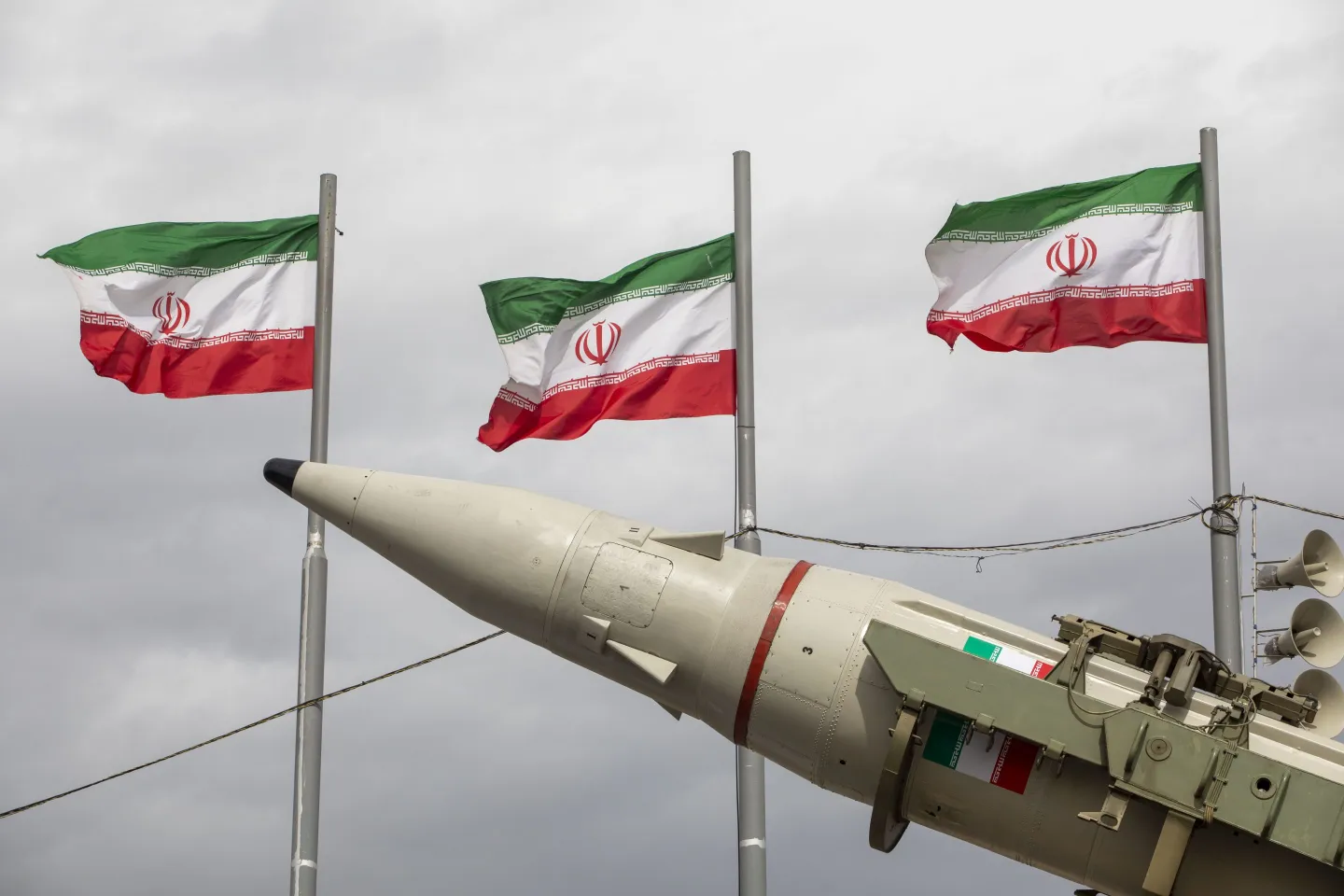
On the other side, Iran has relied heavily on its missile capabilities. The country continues to use ballistic missiles to strike long-range targets, including military bases and strategic areas. These missiles are often stored in underground facilities, sometimes referred to as “missile cities,” which make them difficult to detect and destroy. This underground infrastructure gives Iran a strategic advantage in maintaining its missile arsenal.
Drone Warfare and Aerial Attacks
Iran has also made extensive use of drone warfare, deploying explosive drones capable of traveling long distances and hitting targets with precision. These drones are cost-effective and have become a key part of Iran’s military strategy and US-Iran conflict weapons. Some reports suggest that Iran has received additional drone support from external sources, further strengthening its aerial attack capabilities.
Naval Mines and Strategic Waterways
In addition to missiles and drones, Iran maintains the ability to deploy naval mines, particularly in critical regions such as the Strait of Hormuz. This area is one of the most important global oil routes, and any disruption there can have worldwide economic effects. Iran’s naval capabilities allow it to pose a significant threat to maritime security.
Cyber Attacks and Digital Warfare
Like the United States, Iran has also engaged in cyber warfare. It has targeted digital infrastructure, financial systems, and communication networks to weaken its opponent without direct physical confrontation. These cyber strategies highlight how modern conflicts extend beyond traditional battlefields into the digital world.
Conclusion: Modern Warfare Dynamics
Overall, the US-Iran conflict between the United States and Iran highlights the evolving nature of modern warfare. It combines traditional weapons like missiles and naval systems with advanced technologies such as drones, artificial intelligence, and cyber attacks. While the United States relies more on high-tech precision and global strike capabilities, Iran focuses on missile strength, drone warfare, and defensive underground systems. Both sides continue to demonstrate significant military power, making the situation complex and ongoing.