

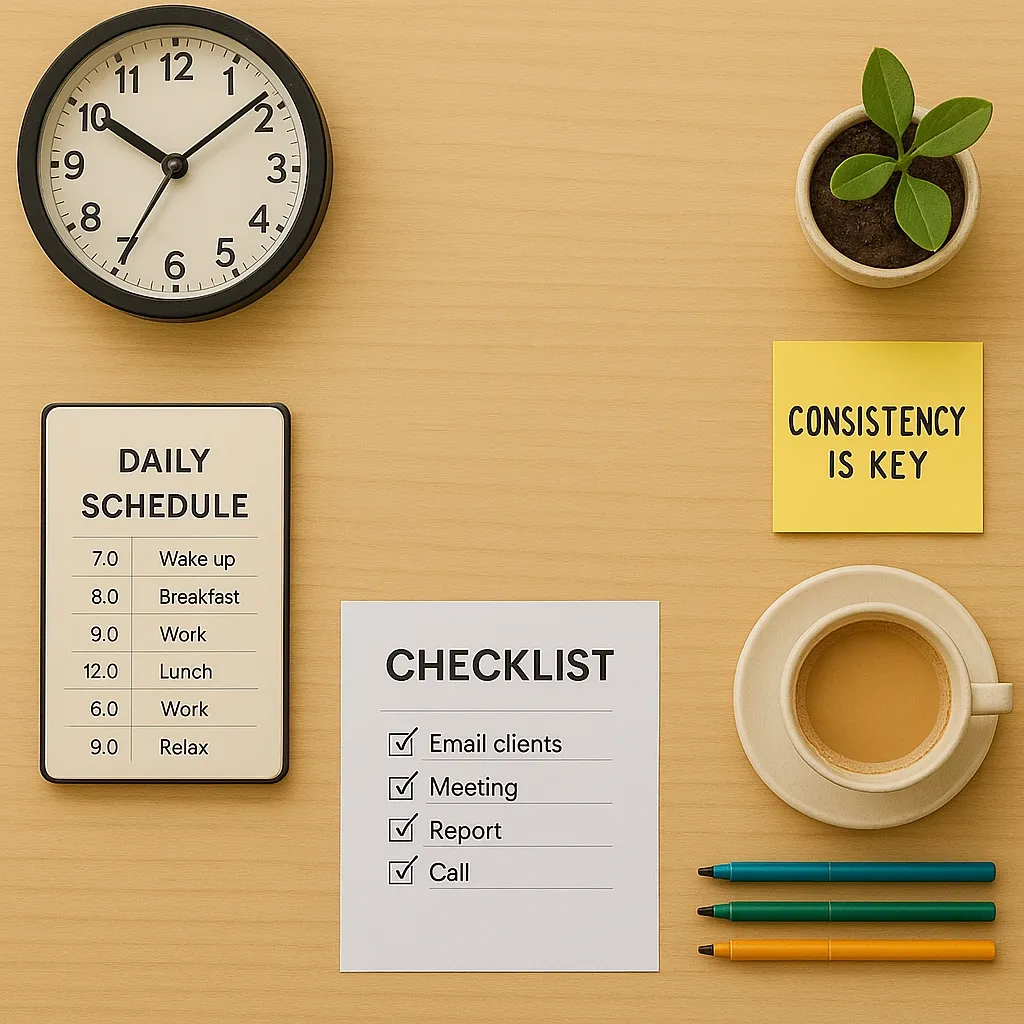
Staying organized in today’s fast-paced world can feel overwhelming, especially when responsibilities pile up both at work and at home. How do you stay organized in your daily life when distractions, deadlines, and digital clutter compete for your attention every minute? The truth is, organization is not about perfection—it is about creating systems that support your goals and reduce stress. When your daily life is organized, you make better decisions, save valuable time, and feel more in control of your schedule. Moreover, organization helps improve mental clarity, allowing you to focus on what truly matters. By developing simple yet effective habits, anyone can bring structure into their routine. In this article, you will learn practical strategies, proven techniques, and easy tools to help you stay organized daily. Whether you are a student, professional, or homemaker, these methods can transform chaos into clarity and help you maintain balance in your everyday life.
Why Staying Organized in Daily Life Is Important
First of all, staying organized improves productivity and reduces unnecessary stress. When your tasks, belongings, and priorities are clear, you spend less time searching for things and more time completing meaningful work. Additionally, organization supports better time management by helping you plan ahead and avoid last-minute rushes.
Furthermore, an organized daily life enhances mental well-being. Clutter—both physical and digital—can cause anxiety and decision fatigue. On the other hand, organized spaces promote calmness and focus. As a result, you feel more confident handling daily responsibilities.
Most importantly, staying organized allows you to create consistency. When routines are structured, healthy habits become easier to maintain. Over time, these small organizational improvements lead to long-term personal and professional growth.
How Do You Stay Organized in Your Daily Life? Key Habits
Start Your Day With a Clear Plan
To begin with, planning your day sets the tone for everything that follows. Creating a simple to-do list every morning helps you prioritize important tasks and avoid distractions. Instead of overwhelming yourself, focus on 3–5 key tasks that truly matter.
Additionally, using time blocks can help you stay focused on one task at a time. This method reduces multitasking and improves efficiency. By starting your day with clarity, you build momentum and stay organized throughout the day.
Helpful planning tips:
- Write your to-do list the night before
- Highlight top-priority tasks
- Schedule breaks to avoid burnout
Organize Your Physical Space
Next, your environment plays a major role in daily organization. A cluttered space often leads to a cluttered mind. Keeping your desk, room, or workspace tidy helps you concentrate and stay productive.
Moreover, adopting a “reset routine” at the end of the day ensures your space stays manageable. Even 10 minutes of organizing can make a big difference. As a result, you begin each day with a fresh and organized environment.
Simple space-organization tips:
- Declutter items you no longer use
- Assign a specific place for essentials
- Clean your workspace daily
Use Digital Tools to Stay Organized
In today’s digital age, staying organized also means managing online information effectively. Calendars, reminder apps, and task managers can help you track deadlines and appointments with ease.
For example, syncing your calendar across devices ensures you never miss an important event. Similarly, note-taking apps help capture ideas instantly. When used correctly, digital tools simplify your routine and reduce mental load.
Popular organization tools include:
- Digital calendars
- Task management apps
- Cloud storage for documents
Build Consistent Daily Routines
Create Morning and Evening Routines
Another effective way to stay organized in your daily life is by establishing routines. Morning routines help you start your day with intention, while evening routines allow you to reflect and prepare for tomorrow.
For instance, a structured morning routine may include exercise, planning, and a healthy breakfast. Likewise, an evening routine might involve reviewing tasks and tidying up. These routines create rhythm and stability in your daily life.
Practice Time Management Skills
Time management is a key component of staying organized. Instead of reacting to tasks, proactive scheduling helps you stay ahead. Learning to estimate how long tasks take can prevent over-scheduling and frustration.
Additionally, saying no to unnecessary commitments protects your time and energy. By respecting your limits, you stay organized without feeling overwhelmed.
How Do You Stay Organized Mentally?
Reduce Mental Clutter
Mental organization is just as important as physical organization. Too many thoughts can cloud judgment and reduce focus. Writing things down helps free your mind from remembering every detail.
Furthermore, mindfulness practices such as journaling or meditation can help you process thoughts calmly. When your mind is organized, decision-making becomes easier and more effective.
Set Clear Goals and Priorities
Finally, clear goals provide direction. When you know what you are working toward, organizing daily tasks becomes simpler. Breaking goals into small, actionable steps keeps you motivated and organized.
Revisiting your goals regularly ensures your daily actions align with your long-term vision. As a result, organization becomes purposeful rather than stressful.
Conclusion: Staying Organized Is a Daily Practice
In conclusion, how do you stay organized in your daily life comes down to building simple, consistent habits that support your lifestyle. From planning your day and organizing your space to managing time and reducing mental clutter, every small step counts. Organization is not about doing more—it is about doing what matters efficiently. By applying these practical strategies, you can create a structured routine that reduces stress and increases productivity. Over time, staying organized becomes second nature, allowing you to live a more balanced, focused, and fulfilling life.